English
 русский
Новости отрасли
A литий-железо-фосфатный аккумулятор — обычно называемый аккумулятором ЛФП или аккумулятором LiFePO4 — это тип перезаряжаемой литий-ионной батареи, в которой в качестве катодного материала используется литий-железо-фосфат (LiFePO4). Он широко известен как один из самых безопасных, долговечных и термостабильных химических элементов, доступных в семействе литий-ионных аккумуляторов. В отличие от обычных литий-кобальт-оксидных батарей, батарея ЛФП не выделяет кислород при перегреве, что делает термический разгон гораздо менее вероятным, а технология особенно хорошо подходит для стационарного хранения энергии, электромобилей и промышленного применения.
Короткий ответ: если вам нужен литий-фосфатный аккумулятор LFP обеспечивает длительный срок службы (2000–6000 циклов), исключительную безопасность и стабильную работу в широком диапазоне температур. В этой статье рассказывается, как работают клетки LFP, как их сравнивать с другими химическими веществами и какие приложения больше всего выигрывают от их уникальных характеристик.
| Параметр | Типичное значение | Примечания |
|---|---|---|
| Номинальное напряжение ячейки | 3,2 В | Очень плоская кривая разряда |
| Плотность энергии (ячейка) | 90–160 Втч/кг | Ниже, чем у НМЦ, выше, чем у свинцово-кислотного |
| Цикл жизни | 2000–6000 циклов | До 80% мощности (DoD 80%) |
| Рабочая температура | от -20°С до 60°С | Диапазон заряда уже: от 0°С до 45°C |
| Порог термического разгона | > 270°С | против ~150°С для НМЦ |
| Скорость саморазряда | 2–3% в месяц | Отлично подходит для длительного хранения |
| Эффективность туда и обратно | 95–98% | Среди самых высоких среди любой химии |
Как работает литий-железо-фосфатный аккумулятор
Как и все литий-ионные элементы, элемент LFP сохраняет и высвобождает энергию, перемещая ионы лития между катодом и анодом через электролит. Во время зарядки ионы лития мигрируют из катод LiFePO4 к графитовому аноду. Во время разряда процесс обратный: ионы возвращаются к катоду, а электроны проходят через внешнюю цепь, питая подключенную нагрузку.
Что отличает литий-феррит-фосфат Отличием от других катодных материалов является его кристаллическая структура оливина. Эта структура по своей природе стабильна: полианион фосфата (PO4) образует прочные ковалентные связи с кислородом, удерживая его на месте даже при повышенных температурах. Вот почему элемент LFP не выделяет кислород во время термического стресса — механизм, лежащий в основе его превосходной огнестойкости и взрывоустойчивости по сравнению с другими литиевыми химическими элементами.
Разрядное напряжение элемента LFP удивительно ровное и составляет примерно 3,2 В примерно на 80% мощности , затем быстро падает при полной разрядке. Это плато усложняет оценку состояния заряда, чем при использовании элементов НМЦ, но обеспечивает стабильную работу устройства на протяжении большей части цикла разрядки.
Кривая напряжения разряда LFP и NMC (нормированная емкость)
Иллюстративные кривые разряда при скорости 0,5°C и комнатной температуре
Приведенная выше диаграмма кривой разряда ясно иллюстрирует определяющую характеристику литий-фосфатный аккумулятор : это необычайно ровное плато напряжения. От 0% до примерно 80% глубины разряда элемент LFP поддерживает почти постоянное напряжение 3,2 В, что означает, что подключенные устройства получают постоянную мощность на протяжении большей части цикла. Ячейки NMC, показанные пунктирной линией, постепенно снижаются примерно с 4,2 В при полной зарядке — наклонный профиль, который легче измерить для определения состояния заряда, но со временем обеспечивает снижение напряжения. Для приложений, где стабильное выходное напряжение имеет решающее значение, например, в телекоммуникационных системах резервного копирования или промышленном оборудовании, плоская кривая LFP является значительным инженерным преимуществом.
Батарея LFP по сравнению с другими литиевыми химическими составами: прямое сравнение
Понимание что такое аккумулятор LiFePO4 требует помещения его в контекст рядом с конкурирующими химическими препаратами. Четыре наиболее коммерчески значимых типа литий-ионных катодов — это LFP, NMC (никель-марганец-кобальт), НКА (никель-кобальт-алюминий) и LCO (оксид лития-кобальта). Каждый из них имеет особый профиль производительности, определяемый его химическим составом.
| Недвижимость | LFP | NMC | NCA | LCO |
|---|---|---|---|---|
| Номинальное напряжение | 3,2 В | 3,6 В | 3,6 В | 3,6 В |
| Плотность энергии (Вт/кг) | 90–160 | 150–220 | 200–260 | 150–200 |
| Цикл жизни | 2000–6000 | 500–2000 | 500–1500 | 300–700 |
| Тепловая безопасность | Отлично | Хорошо | Умеренный | Бедный |
| Содержание кобальта | Ноль | Высокий | Высокий | Очень высокий |
| Лучшее приложение | Хранение энергии, электромобили | Электромобили, электроинструменты | Электромобили (приоритет дальности) | Бытовая электроника |
Радар производительности: LFP и химический состав батареи NMC (оценка 0–10)
Относительные показатели производительности по шести ключевым параметрам оценки батареи
Радарная диаграмма безошибочно показывает компромисс между LFP и NMC. LFP доминирует по безопасности, сроку службы и экологичности — трем аспектам, которые имеют решающее значение для экологически чистые системы хранения энергии рассчитан на десятилетия службы. NMC удерживает значительное лидерство только по плотности энергии, что объясняет, почему он остается популярным для приложений с ограниченным запасом хода, таких как электромобили с большим запасом хода, где вес упаковки является основным ограничением. Для стационарного хранения энергии, где батарея остается в фиксированном месте и вес не имеет значения, профиль LFP, как правило, более привлекателен. Преимущество экологичности особенно примечательно: поскольку LFP не содержит кобальта, он позволяет избежать экологических и этических проблем, связанных с добычей кобальта, которые влияют на химические процессы NMC и NCA.
Срок службы и долговечность: определяющее преимущество LFP
Если есть один признак, который больше всего отличает литий-железо-фосфатный аккумулятор от конкурирующих технологий – это цикл жизни. Качественная ячейка LFP сохраняет 80% или более от первоначальной емкости после 2000 полных циклов зарядки-разрядки. при глубине разряда 80%. Многие призматические элементы LFP, используемые в промышленных системах хранения энергии, демонстрируют 4000–6000 циклов в контролируемых условиях. При одном цикле в день это соответствует 11–16 годам ежедневного использования, прежде чем емкость упадет ниже порога 80%, обычно используемого для определения окончания срока службы.
Структурная причина – опять-таки кристаллическая решетка оливина. Изменение объема во время литиирования и делитиации — расширения и сжатия катода при входе и выходе ионов — составляет всего около 6,7% для LiFePO4 по сравнению с 8–10% для NMC. Это меньшее механическое напряжение за цикл напрямую приводит к более медленному снижению производительности и увеличению срока службы.
Сравнение срока службы аккумуляторов разных технологий (циклов до 80 % емкости)
Верхние значения срока службы при 80% DoD; Фактические результаты зависят от уровня C, температуры и качества BMS.
Горизонтальная диаграмма выше представляет впечатляющую картину: максимальный срок службы батареи LFP (6000 циклов) составляет в три раза больше, чем у NMC , что более чем в восемь раз больше, чем у стандартной свинцово-кислотной батареи, и почти в девять раз больше, чем у LCO. Для любого приложения, где общая стоимость владения имеет большее значение, чем первоначальная покупка, это преимущество долговечности напрямую трансформируется в финансовую выгоду. Система, которая позволяет избежать замены в течение 12–15 лет, исключает несколько циклов замены, сокращая как капитальные затраты, так и воздействие утилизации на окружающую среду. Вот почему LFP стал доминирующим химическим продуктом в крупномасштабных производствах. накопитель энергии развертывания по всему миру.
Характеристики безопасности: почему LFP является предпочтительным выбором для хранения энергии
Безопасность – это область, где фосфат лития химия наиболее явно превосходит все остальные литий-ионные варианты. Три основных режима отказа литий-ионных элементов — тепловой разгон, перезаряд и механическое повреждение — все приводят к значительно менее опасным последствиям в элементах LFP, чем в химических элементах на основе кобальта.
Термическая стабильность
Клетки LFP не инициируют экзотермическое разложение до тех пор, пока температура не превысит 270°С по сравнению с примерно 150°C для NMC и примерно 130°С для LCO. Даже при этом пороге LFP выделяет значительно меньше тепла и не выделяет легковоспламеняющегося кислорода — ключевого ингредиента самоподдерживающихся пожаров, связанных с инцидентами с литий-ионными батареями. Эта характеристика делает LFP предпочтительным химическим продуктом для установки в закрытых или труднодоступных местах, таких как жилые настенные аккумуляторные системы и подземные хранилища.
Допуск перезарядки
При заряде сверх номинального напряжения элементы LFP проявляют гораздо меньшую склонность к испарению или возгоранию, чем другие литиевые элементы. Структура оливина подавляет выделение кислорода даже при перезарядке, обеспечивая дополнительный уровень безопасности помимо системы управления аккумулятором (BMS). Это не устраняет необходимость в качественной BMS — это просто означает, что последствия отказа BMS менее катастрофичны, чем в случае других литиевых химических соединений.
Международные сертификаты
Продукты хранения энергии на основе LFP регулярно сертифицируются УЛ 1973 г. (стационарные приложения), МЭК 62619 (требования безопасности для вторичных литиевых элементов), ООН 38.3 (безопасность транспортировки) и различные национальные стандарты подключения к сети. Эти сертификаты подтверждают, что элементы и системы, построенные на их основе, соответствуют строгим испытаниям на эксплуатацию и производительность, проводимым независимыми лабораториями. Продукты, имеющие эти сертификаты, обеспечивают четкую основу ответственности за безопасность для монтажников и конечных пользователей.
Температура начала температурного разгона в зависимости от химического состава батареи (°C)
Более высокий порог = безопаснее при термическом стрессе. Значения представляют собой приблизительные температуры начала реакции при ускоренной калориметрии.
Сравнение начала температурного разгона подтверждает величину преимущества LFP в безопасности. При 270°C порог LFP составляет почти вдвое больше, чем у NMC и более чем в два раза больше, чем у LCO. В реальных условиях — например, когда аккумуляторная батарея подвергается воздействию внешнего тепла в результате пожара, короткого замыкания в соседнем элементе или отказа системы охлаждения — этот температурный запас обеспечивает критически важное дополнительное время для реагирования систем безопасности, эвакуации персонала и активации пожаротушения. Для бытовых систем хранения энергии, установленных внутри домов или гаражей, эта разница не является абстрактной инженерной статистикой: она является значимым фактором, определяющим безопасность жильцов.
Ключевые применения аккумуляторов LFP в хранении энергии и не только
Уникальное сочетание безопасности, долговечности и стабильного напряжения разряда делает аккумуляторы ЛФП химия выбора для растущего спектра применений. Поскольку глобальный переход к возобновляемым источникам энергии ускоряется, роль LFP в стационарных экологически чистые системы хранения энергии быстро расширяется.
Жилое и коммерческое хранение энергии
Домашние аккумуляторные системы в сочетании с солнечными панелями на крыше представляют собой один из наиболее быстрорастущих рынков для LFP. Профиль безопасности позволяет устанавливать его в жилых помещениях, гаражах и подсобных помещениях без проблем с пожароопасностью, связанных с другими химическими веществами. Бытовая система LFP мощностью 10 кВтч, ездящая на велосипеде один раз в день, может реально обеспечить более 10 лет ежедневного использования до достижения конечной мощности, что делает ее экономически привлекательной даже без учета экономии затрат на электроэнергию за счет собственного потребления солнечной энергии.
Сетевое хранилище энергии
Аккумуляторные системы хранения энергии коммунального масштаба (BESS) быстро приняли LFP в качестве предпочтительного химического средства для стабилизации сети, регулирования частоты и укрепления возобновляемых источников энергии. По состоянию на 2024 год на долю LFP будет приходиться большая часть новых сетевых литий-ионных мощностей, установленных во всем мире. Системы варьируются от установок мощностью в несколько мегаватт-часов (МВт-ч) на солнечных фермах до проектов мощностью в несколько гигаватт-часов (ГВт-ч), обслуживающих региональные сети. Длительный срок службы химического цикла и высокая эффективность обратного хода (95–98%) делают его хорошо подходящим для применений, требующих ежедневной циклической работы в течение 15–20 лет срока службы актива.
Электромобили и мобильность
LFP вновь стал основным химическим составом для аккумуляторов электромобилей, особенно для автомобилей начального и среднего уровня, где запас хода на килограмм менее важен, чем общая стоимость владения, безопасность и долговечность. Электрические автобусы, коммерческие транспортные средства и городские электромобили все чаще используют пакеты LFP. Способность элементов LFP выдерживать частую быструю зарядку с меньшей деградацией, чем у NMC, является особенно ценным свойством для операторов автопарков, которые заряжают транспортные средства несколько раз в день.
Телекоммуникационные системы резервного копирования и ИБП
Телекоммуникационные башни, центры обработки данных и операторы критически важной инфраструктуры постепенно заменяют свинцово-кислотные резервные батареи системами LFP. Причины просты: LFP обеспечивает срок службы в три-пять раз больше свинцово-кислотных батарей с клапанным регулированием (VRLA), занимает меньше места на киловатт-час и устраняет необходимость в выделенных вентилируемых аккумуляторных помещениях, необходимых для свинцово-кислотных установок. Затраты на техническое обслуживание также значительно снижаются, поскольку LFP не требует долива воды или выравнивающей зарядки.
Глобальное развертывание LFP по секторам приложений — расчетная доля (%)
Предполагаемая глобальная доля развертывания LFP по секторам, 2023–2024 гг. (иллюстрация на основе отраслевых отчетов)
Столбчатая диаграмма показывает широту внедрения LFP в разных отраслях. На электромобили приходится наибольшая доля — примерно 42%, что отражает растущую роль химических веществ в основных моделях электромобилей, где безопасность и долговечность перевешивают недостаток плотности энергии по сравнению с NMC. На долю систем хранения данных в масштабе сети приходится примерно 35% развертываний — эта цифра резко выросла по мере роста проникновения возобновляемых источников энергии, а операторам сетей требуются большие буферные хранилища для управления прерывистой генерацией. Бытовые хранилища с долей 15% являются самым быстрорастущим сегментом по темпам роста, что обусловлено падением стоимости ячеек LFP и ростом цен на электроэнергию на основных рынках. Данные в совокупности подтверждают это. фосфат лития-железа Это не нишевая химия, а основа глобального перехода к чистой энергетической инфраструктуре.
Температурные характеристики и условия эксплуатации
Батареи LFP работают в широком диапазоне температур при разрядке — обычно от -20°С до 60°С - хотя зарядка должна быть ограничена температурой от 0°C до 45°C в стандартных элементах, чтобы предотвратить образование литиевого покрытия на аноде. Ниже 0°C емкость снижается: элемент LFP при -10°С может обеспечить только 70–80% своей номинальной мощности, а при -20°С она может упасть до 50–60%. Это снижение обратимо: нагрейте элемент до комнатной температуры, и его емкость вернется на полную мощность.
Для применений в холодном климате — северных центрах обработки данных, полярных исследовательских станциях, наружных телекоммуникационных башнях — коммерчески доступны самонагревающиеся блоки LFP, которые активируют резистивный нагреватель при температуре ниже порогового значения. Эти аккумуляторы жертвуют небольшим процентом накопленной энергии на нагрев, но обеспечивают безопасную зарядку при температуре до -30°C или ниже. На самом горячем конце шкалы элементы LFP безопасно работают при повышенных температурах, которые ускоряют разложение других химических веществ, что делает их подходящими для наружных аккумуляторных шкафов в пустынных условиях.
Сохранение пропускной способности LFP в зависимости от температуры (% номинальной емкости)
Примерное сохранение разрядной емкости при 0,5°C; нагревательные пакеты могут значительно улучшить характеристики при низких температурах
Кривая зависимости температуры от емкости показывает, что батарея LFP работает с номинальной емкостью в диапазоне от 10°C до 55°C — условий эксплуатации, которые охватывают большинство жилых, коммерческих и промышленных объектов. При температуре ниже 0°C емкость снижается заметно, но не катастрофически, и эта деградация полностью обратима, когда температура возвращается к норме. При температуре -20°C хорошо спроектированный аккумулятор LFP по-прежнему обеспечивает примерно 55 % номинальной емкости, что гораздо полезнее, чем свинцово-кислотный аккумулятор при той же температуре, который может обеспечить менее 40 % номинальной емкости. Такой широкий диапазон использования делает LFP подходящим химическим составом для наружных систем хранения энергии в климатических условиях от субтропического до субарктического.
Nxten: интегрированные решения по хранению энергии LFP для мировых рынков
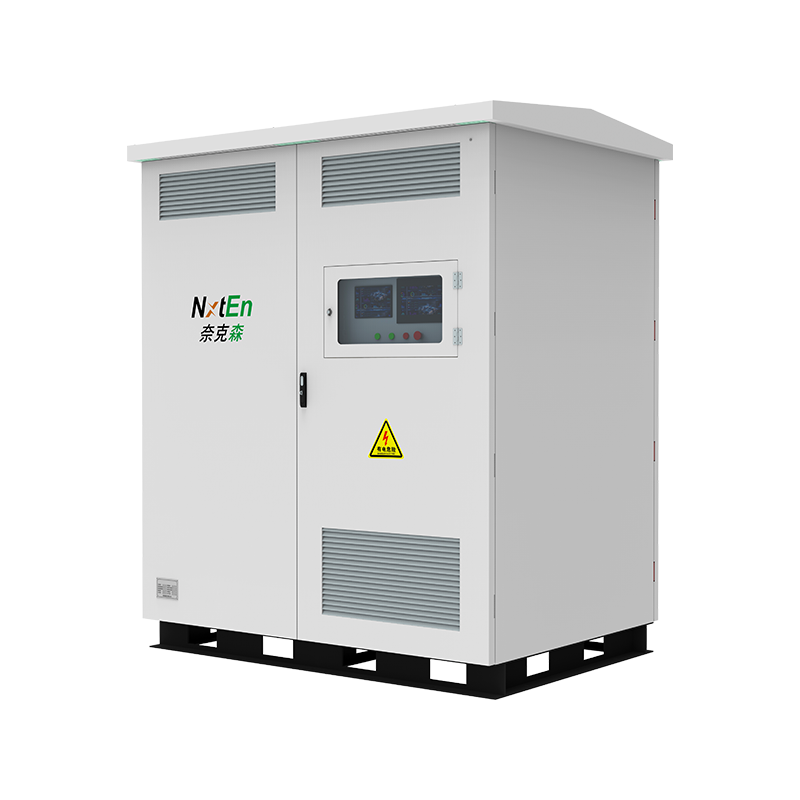
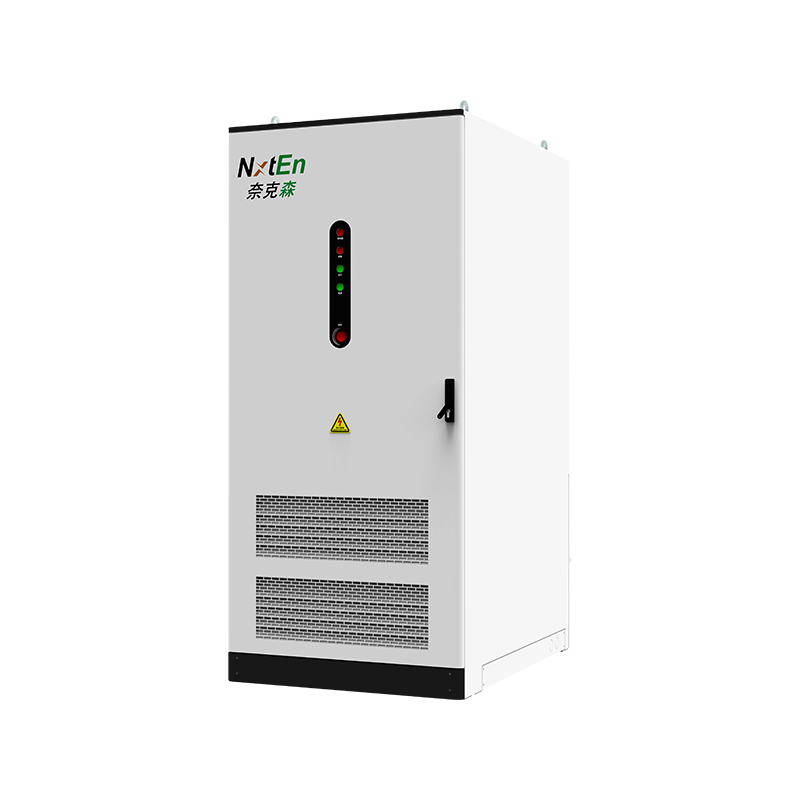
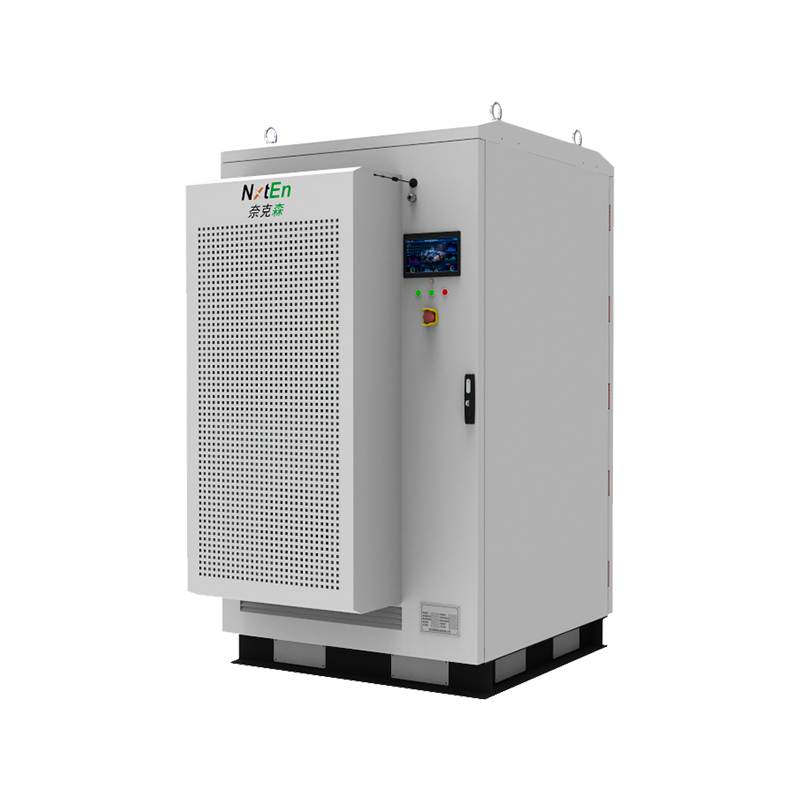
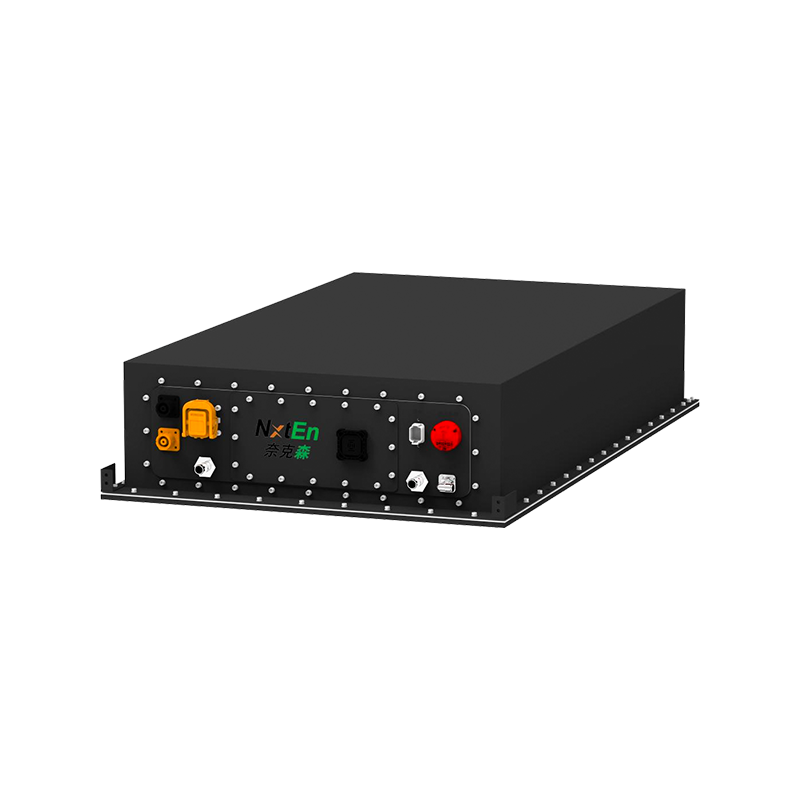
Nxten занимает стратегическое положение в ключевом энергетическом центре Китая, обеспечивая оптимальную связь с глобальными новыми энергетическими рынками. Как профессионал накопитель энергии manufacturer и зеленая и чистая система хранения энергии На заводе Nxten работает полностью интегрированная цепочка поставок, которая обеспечивает повышение эффективности производства на 30% и maintains Six Sigma quality standards throughout every stage of manufacturing.
Производственные мощности Nxten, сертифицированные по стандарту IATF 16949, обеспечивают надежность автомобильного уровня для всей продукции. Собственный центр исследований и разработок компании поставляет индивидуальные аккумулятор ЛФП решения, соответствующие УЛ 1973 г., IEC 62619 и другие ключевые международные сертификаты. Литий-ионные аккумуляторы Nxten обеспечивают выдающуюся производительность благодаря высокой плотности энергии, широкому температурному диапазону работы, высокой выходной мощности и многоуровневой защите, удовлетворяя разнообразные потребности применения, от хранения энергии в жилых домах до крупномасштабных промышленных сценариев, обеспечивая при этом длительный срок службы и исключительную надежность.
Вертикальная интеграция — от производства компонентов до распределения конечной продукции — обеспечивает клиентам единую отчетность и устраняет сложность координации цепочек поставок с участием нескольких поставщиков. Команда Nxten преуспевает в вопросах соблюдения требований международной торговли и трансграничных логистических решений, обслуживая клиентов в Северной Америке, Европе, Азиатско-Тихоокеанском регионе и за его пределами.
Часто задаваемые вопросы
Вопрос 1. Что такое аккумулятор LFP и чем он отличается от других литий-ионных аккумуляторов?
В аккумуляторе LFP в качестве катодного материала используется литий-железо-фосфат. В отличие от батарей NMC или LCO, LFP не содержит кобальта, имеет гораздо более высокий порог температурного выхода из-под контроля (270°C против 150°C) и обеспечивает в два-три раза больший срок службы. Компромиссом является более низкая плотность энергии на килограмм.
В2. Сколько циклов зарядки выдерживает литий-железо-фосфатный аккумулятор?
Качественные элементы LFP обычно выдерживают от 2000 до 6000 полных циклов зарядки-разрядки, сохраняя при этом не менее 80% исходной емкости. При одном цикле в день это соответствует 6–16 годам ежедневного использования, что делает LFP лучшим выбором для долгосрочного хранения энергии.
Вопрос 3. Безопасна ли литий-фосфатная батарея для установки внутри помещения?
Да. Стабильная кристаллическая структура оливина LFP противостоит выделению кислорода во время термического стресса, что значительно снижает риск возгорания по сравнению с другими литиевыми химическими составами. Вот почему в бытовых настенных системах накопления энергии широко используются элементы LFP и почему они одобрены такими стандартами, как UL 1973 и IEC 62619.
Вопрос 4. Что означает LiFePO4?
LiFePO4 — это химическая формула фосфата лития-железа: Li (литий), Fe (железо, от латинского Ferrum), P (фосфор) и O4 (четыре атома кислорода). В нем описывается соединение со структурой оливина, используемое в качестве катодного материала в батареях LFP.
Вопрос 5. Могут ли аккумуляторы LFP работать в холодном климате?
Элементы LFP разряжаются при температуре до -20°C, хотя при этой температуре емкость снижается примерно до 55 % от номинальной. Для зарядки при температуре ниже 0°C требуются самонагревающиеся аккумуляторы, чтобы предотвратить образование литиевого покрытия. Для применения в холодном климате выберите аккумуляторную систему со встроенным терморегулированием, которая автоматически активируется при температуре ниже 0°C.
Вопрос 6. Какова эффективность литий-железо-фосфатной батареи в обоих направлениях?
аккумуляторы ЛФП achieve 95–98% round-trip efficiency, meaning that for every 100 Wh of energy stored, 95–98 Wh is recovered on discharge. This is among the highest of any rechargeable chemistry and compares very favourably to lead-acid (70–80%) and flow batteries (65–85%).
Вопрос 7. Является ли ферритофосфат лития тем же, что и фосфат лития-железа?
Да. Фосфат феррита лития и фосфат лития-железа относятся к одному и тому же соединению — LiFePO4. «Феррит» и «железо» происходят от латинского слова «ferrum». Оба термина используются как синонимы в промышленной литературе, хотя фосфат лития-железа и его аббревиатура LFP являются более широко распространенными обозначениями в техническом и коммерческом контексте.
Вопрос 8. Какие сертификаты мне следует искать в системе хранения энергии LFP?
Обратите внимание на стандарты UL 1973 (безопасность стационарных батарей), IEC 62619 (безопасность вторичных литиевых элементов), UN 38.3 (транспортировка) и любые применимые региональные разрешения на подключение к сети. Сертификация IATF 16949 на уровне производства указывает на управление процессом автомобильного уровня, что приводит к повышению стабильности и надежности производства.